2026 Lecture Schedule
Saturday, May 16 at 2:00 pm
The Opalescent Mind: John La Farge and the Gilded Age
Henry Adams, Ph.D.
Case Western Reserve University
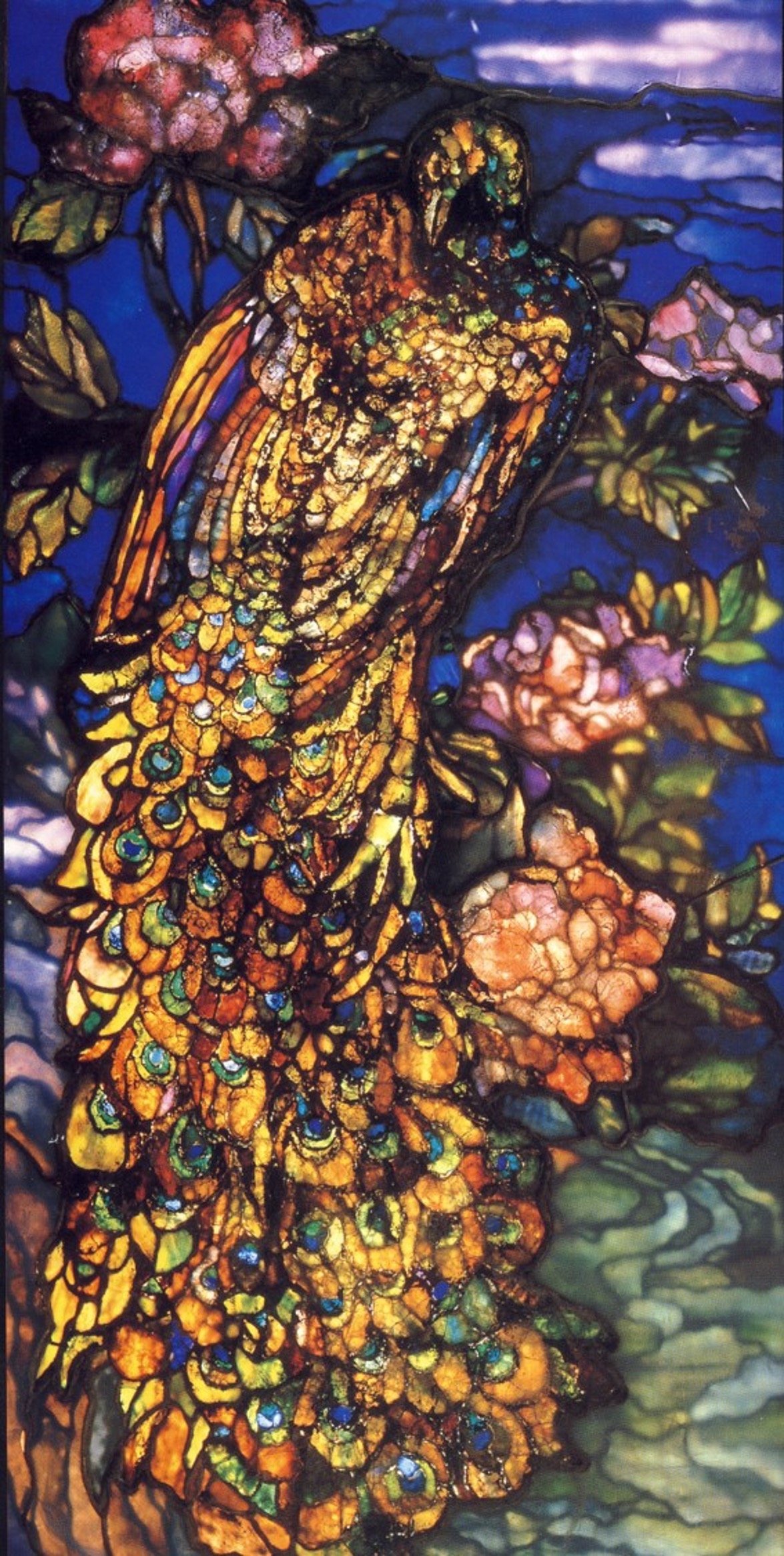
John LaFarge, Peacock Window, 1892-1908
Leaded and plated opalescent glass, colorless glass, cloisonné glass, fused glass, copper coil, copper foil, cold paint and glazes, various colored putties and resins; 39 15/16 x 19 15/16 inches
Worcester Art Museum
The most versatile American artist of his time, John La Farge was an innovator in flower painting, landscape painting, mural decoration, and art criticism, as well as watercolors of travel recording his trips to Japan and the South Seas. In his lifetime he was particularly celebrated for his opalescent stained glass windows, which essentially created a new art form, and set the groundwork for the career of Louis Tiffany. An inspiring conversationalist and mentor, he was also the friend and associate of many of the luminaries of his age, including the painter Winslow Homer, the novelist Henry James, the historian Henry Adams, and the philosopher William James. This talk will explore La Farge’s varied and remarkable contributions as both artist and influence within the setting of America’s Gilded Age.

John LaFarge, Wild Roses and Water Lily-Study of Sunlight, c. 1883
Watercolor on paper, 10 5/8 x 8 7/8 inches
Crystal Bridges Museum of American Art
Sunday, May 17 at 2:00 pm
Said in Stone:
Edmonia Lewis's Sculptural Legacy
Jeffrey Richmond-Moll, Ph.D.
The George Putnam Curator of American Art
Peabody Essex Museum
In the 1860s, Edmonia Lewis became the first sculptor of Black and Indigenous descent to achieve international fame. Lewis created marble sculptures that elevated contemporary stories of emancipation, Indigenous sovereignty, and religious liberty in a visual language all her own—one of resilience and transcendence. Following her death in 1907, her contribution to American sculpture was largely underrecognized. This lecture goes behind the scenes of Edmonia Lewis: Said in Stone, now on view at the Peabody Essex Museum. Featuring 30 sculptures by Lewis, Said in Stone is the first exhibition to gather the full range of Lewis's art alongside works by her contemporaries and the generations of artists she influenced.
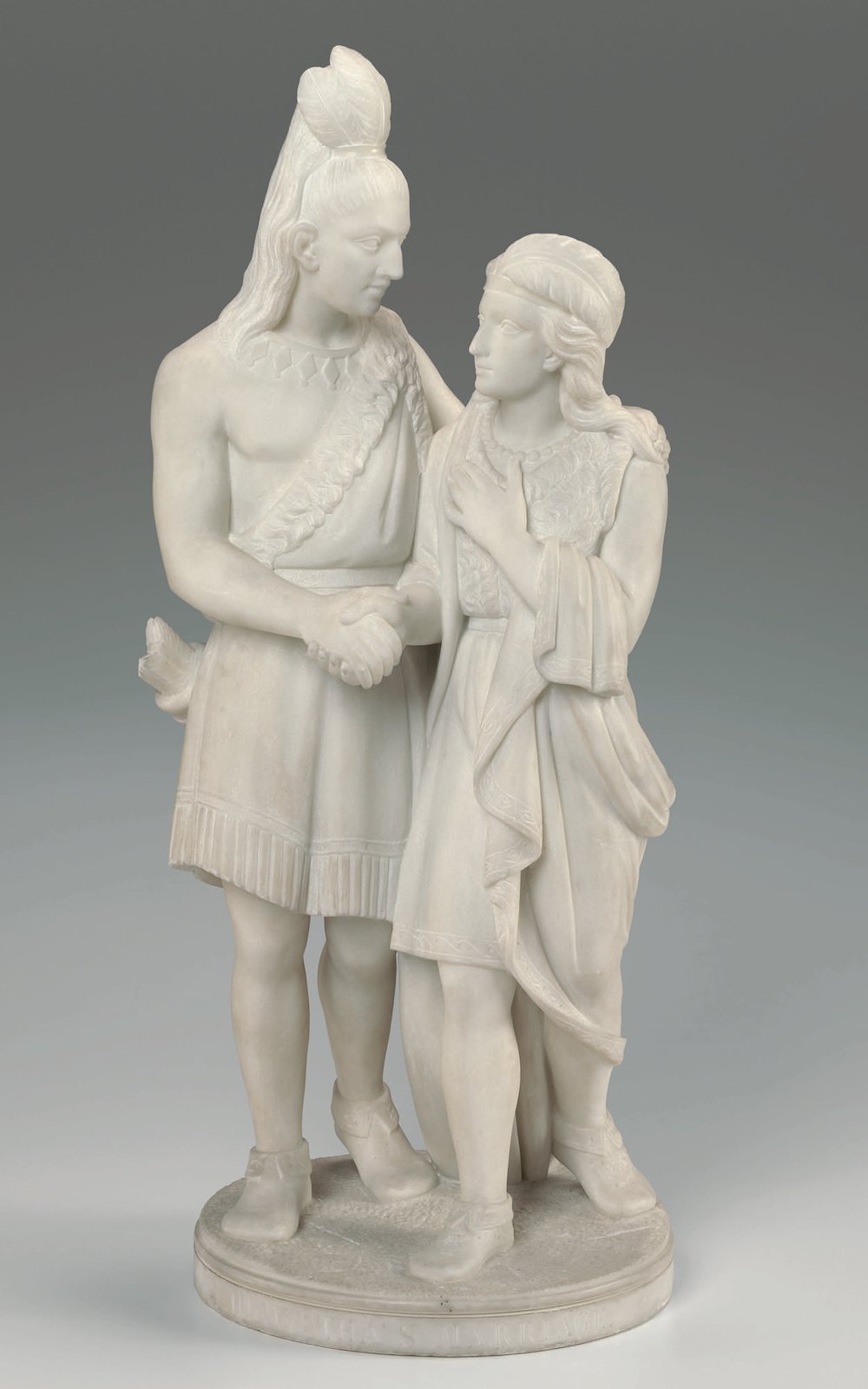
Edmonia Lewis (Mississaugas of the Credit First Nation descent, American, 1844–1907), Hiawatha's Marriage, modeled 1866, carved 1870. Marble, 27 3/4 x 11 7/8 x 11 in. Virginia Museum of Fine Arts, Richmond, J. Harwood and Louise B. Cochrane Fund for American art, 2024.26. Photo: Troy Wilkinson
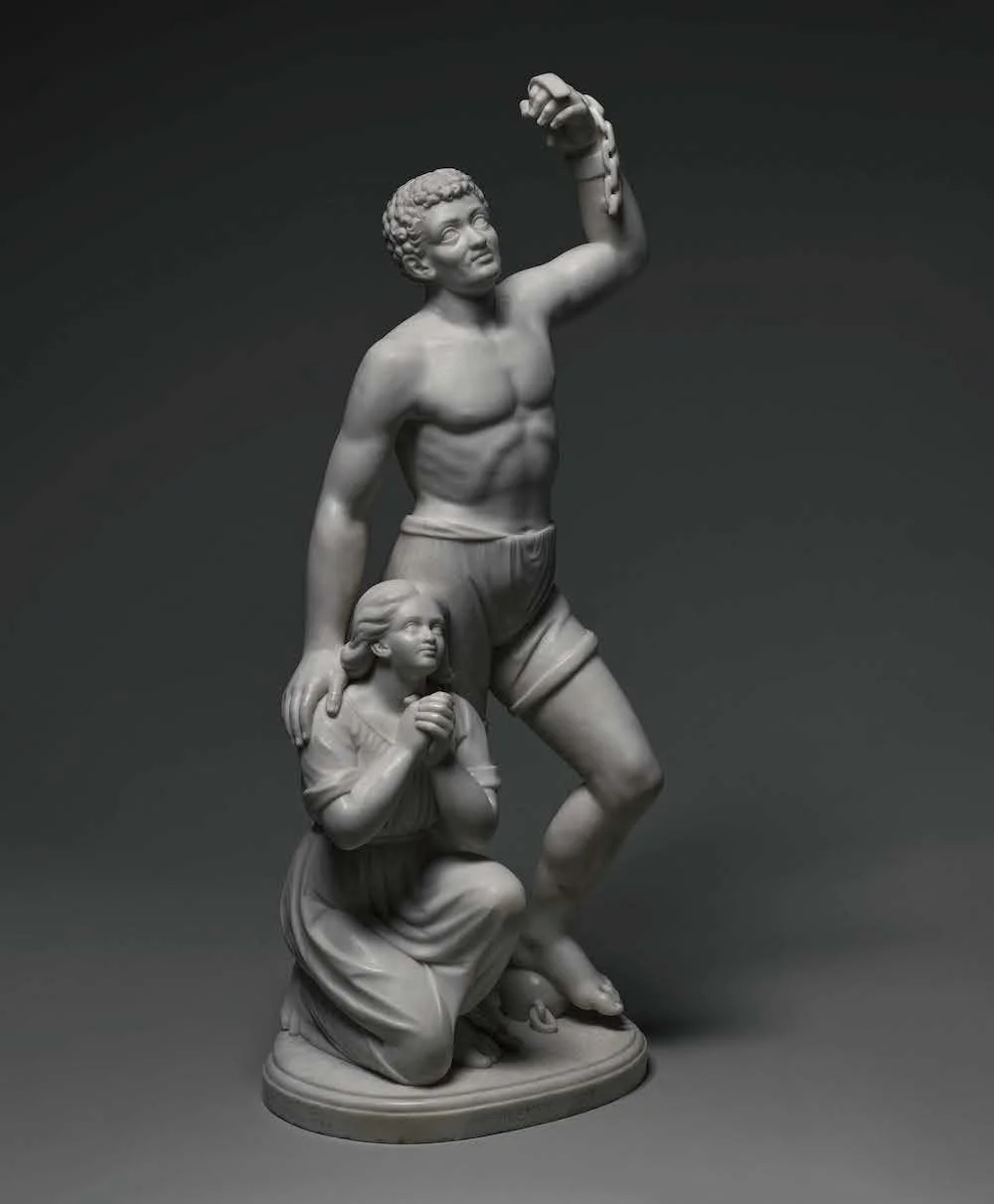
Edmonia Lewis (Mississaugas of the Credit First Nation descent, American, 1844–1907), Forever Free, 1866–67. Marble, 41 3/4 x 22 1/2 x 12 3/8 in. Howard University Gallery of Art Collection, Washington, DC 67.9.S. Photo: Greg Staley
Monday, May 18 at 2:00 pm
The worlds of the wyeths
William L. Coleman, Ph.D.
Wyeth Foundation Curator and
Director, Andrew & Betsy Wyeth Study Center
Brandywine Museum of Art
While the United States has produced other important artistic dynasties across the centuries—among them the Peales, Calders, and Morans— the continuing story of the Wyeth family of artists is unique. From artist-illustrator N.C. Wyeth through his children Andrew, Carolyn, and Henriette Wyeth, and with Andrew’s son Jamie Wyeth still painting furiously today, this creative family has shared a remarkable commitment to tightly circumscribed worlds they made their own. Their place-based practice between Chadds Ford, Pennsylvania and midcoast Maine is the focus of this lecture, with particular attention to the remarkable buildings and landscapes designed by Betsy James Wyeth, Andrew’s wife, that was a precondition for the paintings.
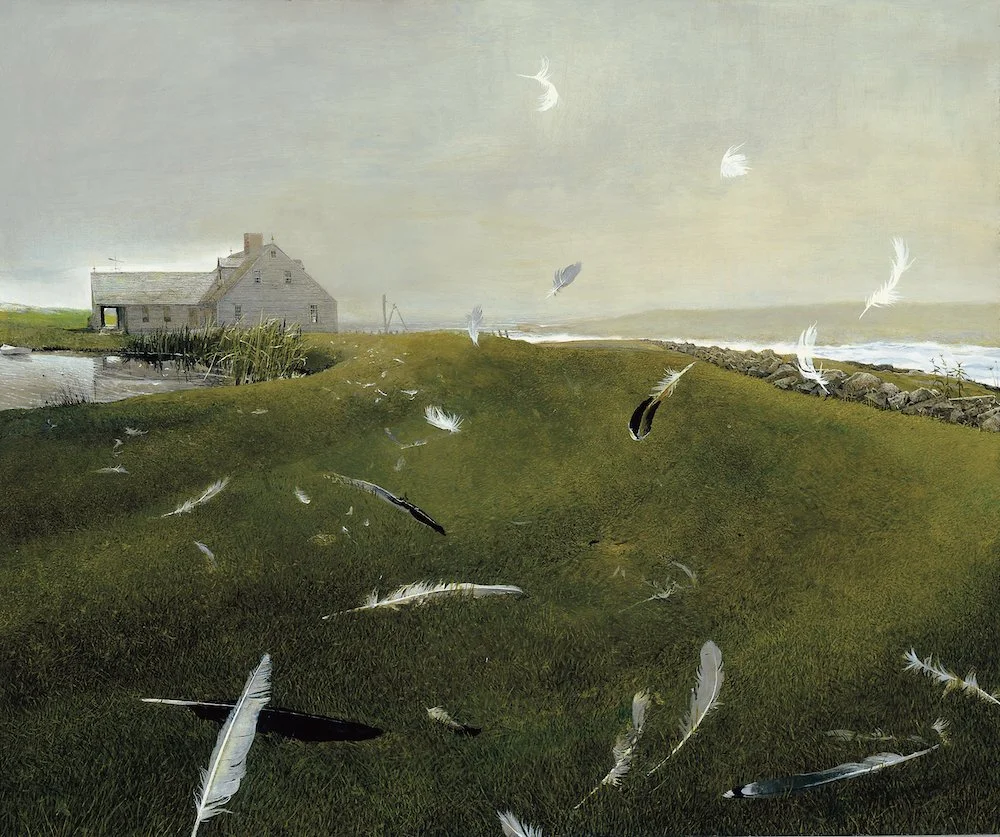
Andrew Wyeth, Airborne, 1996
Egg tempera on panel, 40 × 48 inches
Promised gift to Crystal Bridges Museum of American Art © 2026 Wyeth Foundation for American Art/Artists Rights Society (ARS), New York

Andrew Wyeth, 747, 1980
Egg tempera on panel, 28 ½ × 17 inches
Wyeth Foundation for American Art Collection, P5021 © 2026 Wyeth Foundation for American Art/Artists Rights Society (ARS), New York
Tuesday, May 19 at 2:00 pm
Frederic Church as a global artist
Elizabeth Mankin Kornhauser, Ph.D.
Curator Emerita, The Metropolitan Museum of Art
Senior Curator and Chair, Frederic Church Bicentennial Committee,
The Olana Partnership

Frederic Church, Heart of the Andes, 1859
Oil on canvas; 66 1/8 x 119 ¼ inches
The Metropolitan Museum of Art, Bequest of Margaret E. Dows, 1909
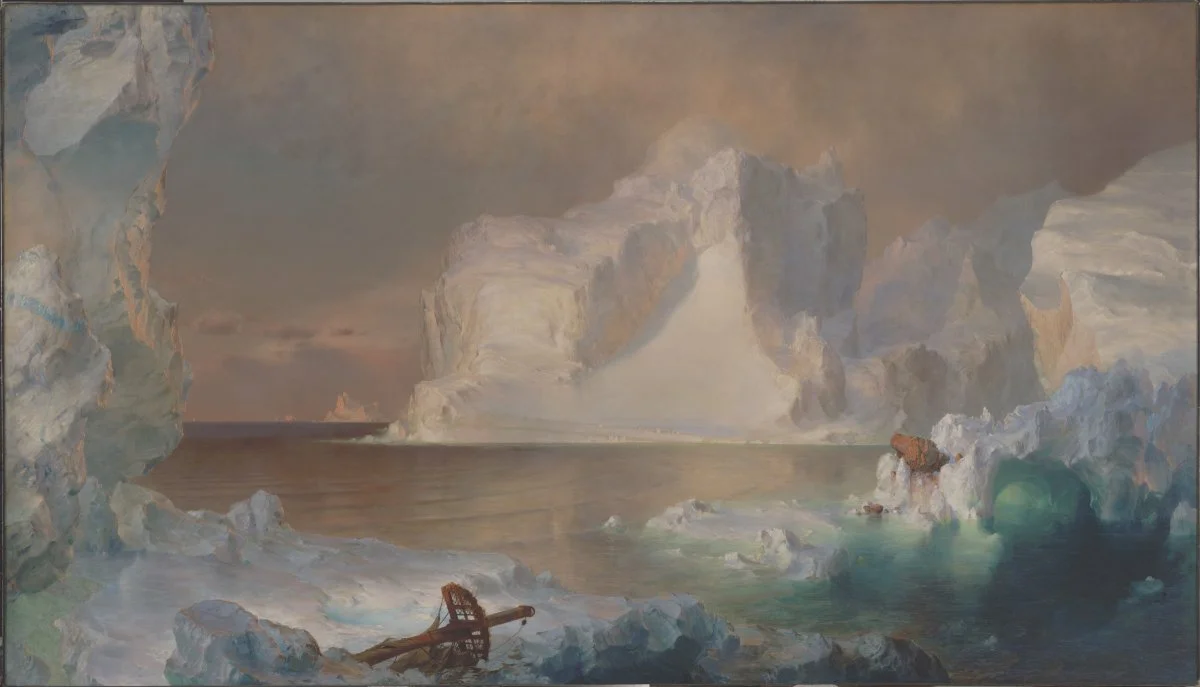
Frederic Church, The Iceberg, 1861
Oil on canvas; 64 1/2 x 112 ½ inches
Dallas Museum of Art, gift of Norma and Lamar Hunt, 1979.28
The life and work of Frederic Church (1826–1900) was indelibly shaped by global travel. Early trips took him to South America, across the northeastern United States, to Jamaica, and to the Arctic. Later he visited Europe and the Middle East, and in his final decades he made fifteen winter sojourns in Mexico. Over a forty-year period, he created one of the most intact artist homes in the world—Olana—designing the architecture and landscape and filling it with global collections that reflect the many worlds through which he traveled. As we celebrate the Bicentennial of his birth in 2026, this is a moment to reassess this formidable artist for today’s audiences.
Admission to the Fair and lectures is complimentary; seating
is on a first-come basis.